
Education
A coloring book for parrot country
Los Loros y su Mundo is a Spanish language coloring book about parrots and the animals that share their world. The Center created it for use in Latin America.
About the book
The title means Parrots and Their World. Its pages are organized by broad groups rather than by the fauna of a single country, so readers can apply them to the animals around them. The approach gives the book a wide reach.
The Center's public record describes the book as a Spanish language resource for Latin America. It was designed to be printed and shared.
What the pages cover
The contents move from parrots to the animals around them. Sections include parrot varieties, predators such as snakes, iguanas, and hawks, other animals that nest in tree cavities, and animals with diets similar to parrots. Later pages explore the places parrots live, including mountains, tropical forests, river areas, and scrub.
There are also puzzles and drawing prompts. The mix of facts, pictures, and games is meant to keep young readers engaged while they learn about habitat and food webs.
New line art for this site
This website offers new line art prepared for the redesign. The drawings are original and are not scans of the earlier book. They can be printed for classroom and family use. Please credit this website when you share them, and do not imply that the Center endorses a particular lesson or product.
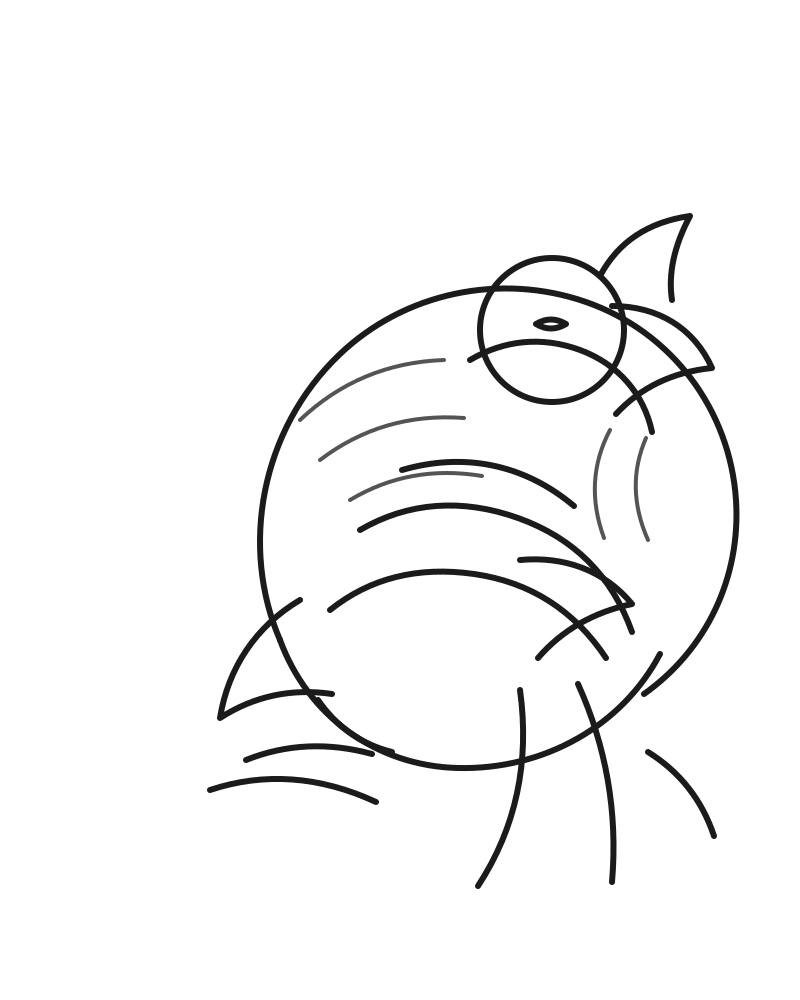
Parrot on a branch
Download the line art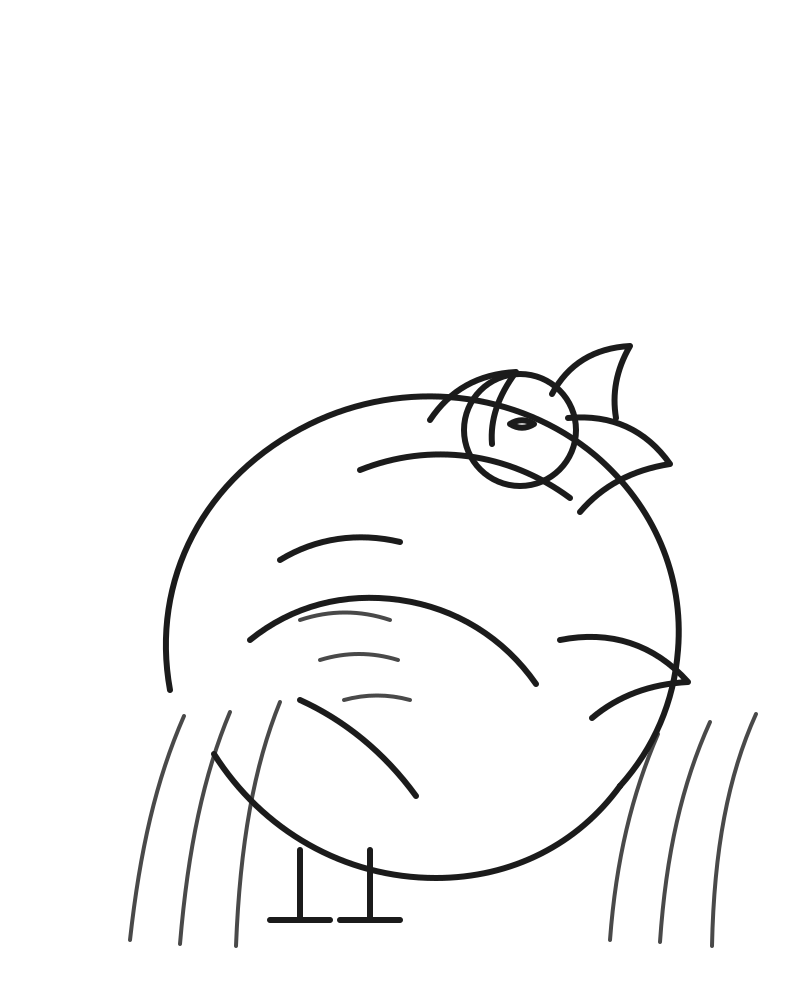
Quail in the grass
Download the line art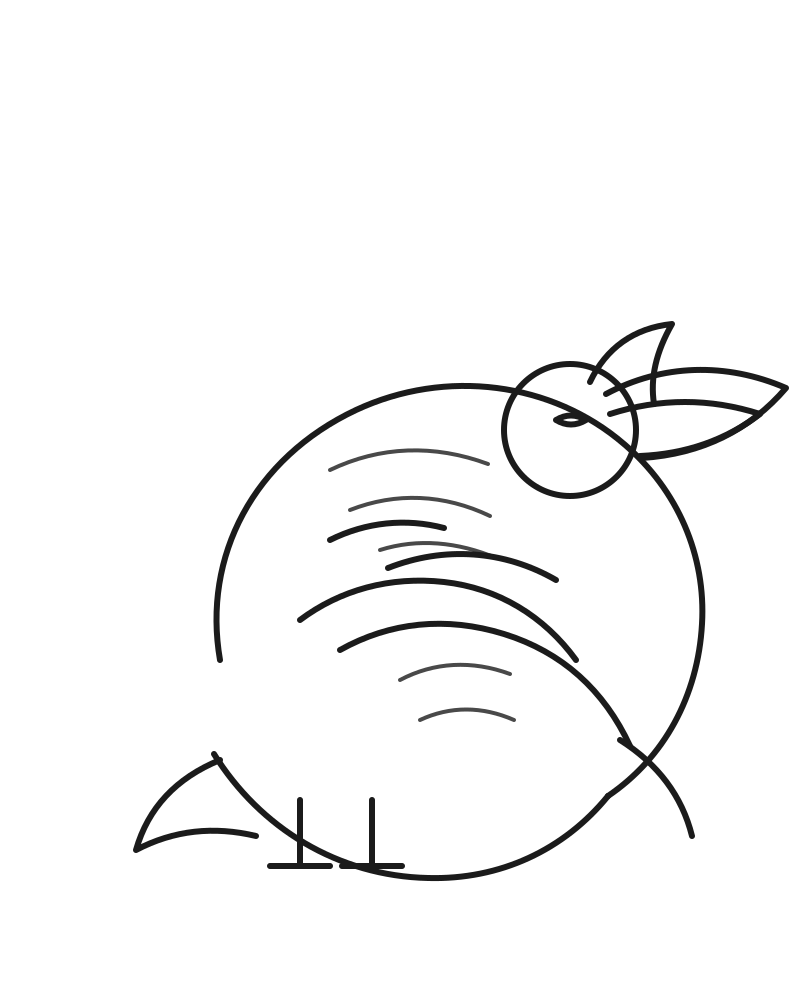
Toucan in the canopy
Download the line artHow to use the pages
Print the line art on plain paper, then use colored pencils, crayons, or markers. For a classroom, pair a drawing with a short discussion about where the bird lives, what it eats, and what other animals share its habitat. The book's original structure groups animals by the questions they raise, not by taxonomy.
If you work with a community group, consider printing a set and inviting participants to add their own local species. The best conservation education starts with the birds people already know.